How Aurora Marathon Sells an Arctic Winter Journey
How Runbuk packages a small race in Alta, Norway, into a six-night Arctic travel product priced from $5,700.

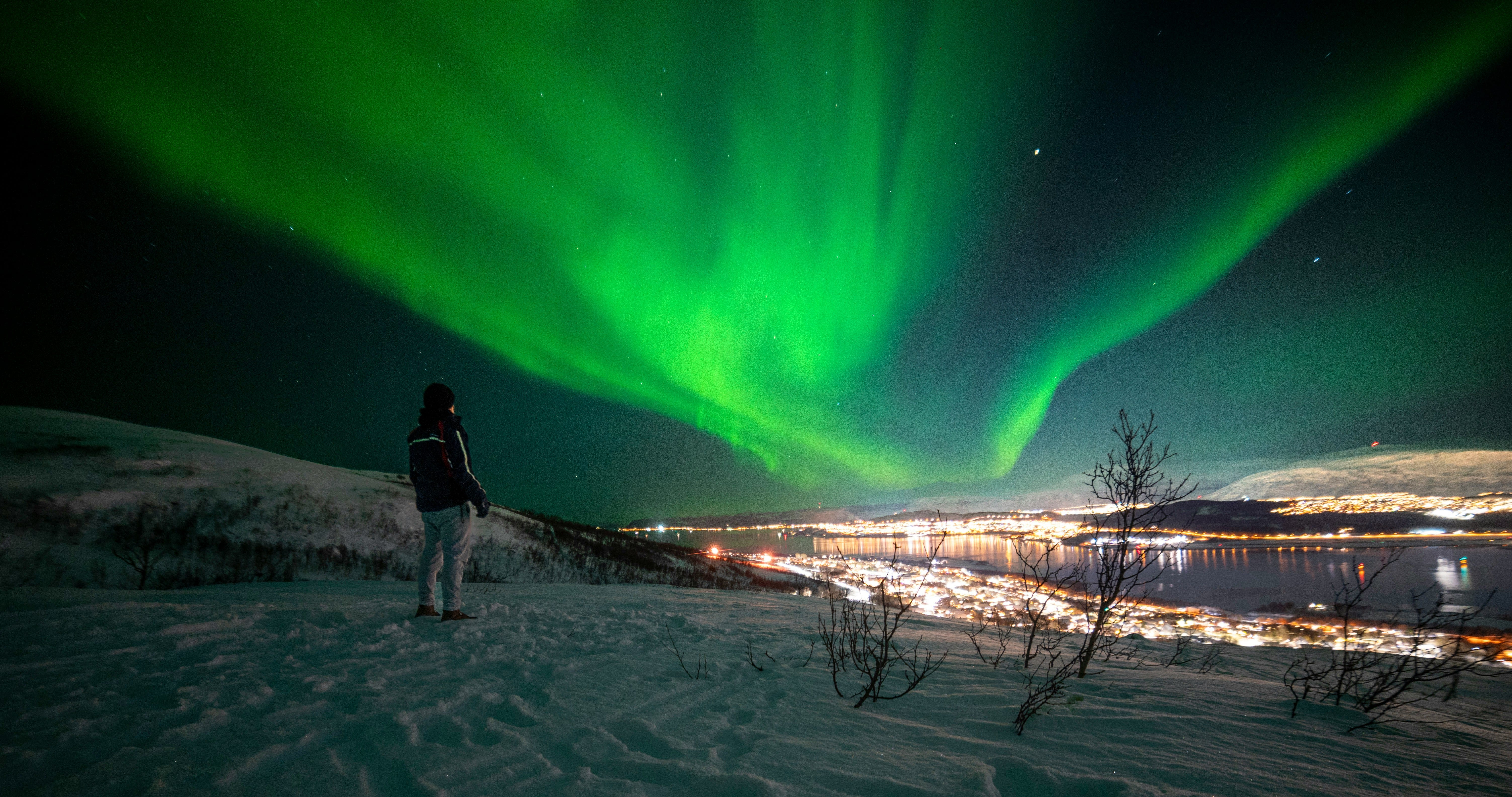
Aurora Marathon packages a limited-field race in Alta, Norway, with six nights of accommodation, meals, thermal clothing and guided Arctic activities. The published 2027 prices start at $5,700 for a runner sharing a room and reach $10,400 for a runner travelling with a non-running companion.
The race is not the whole product. It gives the trip a sporting reason to exist.
Runbuk uses the marathon to sell a premium Arctic week built around northern-lights appeal, destination services and a controlled cold-weather challenge. That makes the Aurora Marathon business model closer to adventure travel than a conventional road race.
The Package Carries the Economics
The 2027 programme runs from February 21 to 27, with the marathon and half marathon scheduled for February 24.
According to the registration terms, the fee includes six nights of accommodation, most meals, thermal clothing rental, snowmobiling, snowshoeing, a northern-lights experience, dog sledding, race entry, medical support, transportation and souvenirs. Flights, insurance and personal expenses remain outside the package.
A runner sharing a room pays $5,700. A single-room booking costs $6,400, while two runners sharing pay $11,400. The $10,400 runner-and-companion product allows Runbuk to earn revenue from a guest who never crosses the start line.
Runbuk therefore controls more of the customer journey than an organizer selling an entry and leaving accommodation, transfers and activities to the athlete.
Small Fields Can Produce Premium Sales
The official results list 30 finishers across three distances in 2025 and 25 marathon and half-marathon competitors in 2026. Those fields are tiny beside Norway’s large city races, but participation volume is the wrong first test.
If 25 future runners each paid the lowest 2027 fee, gross package sales would equal $142,500 before single-room upgrades, companion bookings or card charges. This is an illustrative scenario, not an estimate of actual revenue or profit. Room allocations, booking numbers, supplier payments and operating costs are not public.
Full payment is required to confirm a place. Runbuk can cancel if the minimum economically viable field is not reached, with 2027 competitors due to be informed by November 30, 2026. Under that provision, the organizer’s liability is limited to returning money received.
The terms treat late cancellation or interruption caused by unforeseen circumstances differently: registration fees can remain non-refundable. Participants are also responsible for insurance, medical expenses and several travel risks.
That structure protects Runbuk from carrying every financial consequence of an Arctic event.
Six Nights Reduce Destination Risk
Northern-lights appeal carries much of the emotional value, but Runbuk explicitly states that an aurora appearance cannot be guaranteed.
The six-night itinerary reduces that commercial risk by providing several opportunities to see the sky while surrounding the race with snowmobiling, dog sledding, snowshoeing and an ice-hotel visit. Even if the lights remain stubbornly offstage, the customer still receives a substantial Arctic programme.
The package can direct spending toward hotels, guides, meals, transportation and regional activity providers. A field of 25 or 30 runners will not transform Finnmark’s economy, but six-night stays by high-spending international visitors can create useful winter demand.
Public information does not reveal how the package price is divided between Runbuk and local suppliers or how much visitor spending remains in Alta. The itinerary identifies where commercial value may be created, not its eventual distribution.
Premium Pricing Requires Clear Information
The public product information contains an avoidable accommodation inconsistency.
The registration terms promise six nights at Gargia Lodge. The schedule begins with arrival at Canyon Hotel, while the homepage also presents Canyon Hotel as the event accommodation. The pages do not explain whether guests transfer between the properties or whether one version is outdated.
The schedule also promotes an ice-hotel visit, but that activity is not named in the formal inclusion list.
These details may have straightforward explanations, but a customer paying between $5,700 and $6,400 should not need to infer them. Arctic travel already provides sufficient uncertainty without the hotel becoming the first endurance test.
Bolttech Proved the Corporate Product
Aurora Marathon also has evidence of corporate use.
Bolttech announced that 19 employees would participate in the inaugural 2025 event. The company connected the challenge to wellness, teamwork and corporate identity while gaining naming association, executive participation and company-owned content.
That activation demonstrates more than theoretical sponsor fit. Aurora Marathon can support employee incentives, leadership experiences, internal communication and hospitality in a setting difficult to reproduce through an ordinary conference.
One edition does not establish a repeatable corporate-retreat market. It does show what an appropriate buyer can own.
Potential partners in outdoor clothing, watches, imaging, insurance, transportation and communications could also use the Arctic environment for product demonstration and content. Whether those categories are available, and at what price, is not publicly disclosed.
The Commercial Verdict
Aurora Marathon is not trying to become Norway’s largest road race. Runbuk has built a small, high-value tourism product around destination access, bundled services, full-payment terms and a controlled Arctic course.
The model increases revenue per participant, creates companion sales and gives local suppliers a role in the customer journey. Bolttech adds evidence that the experience can also serve a corporate buyer.
The unresolved issue is measurement. Actual bookings, room mix, supplier economics, sponsor rights, visitor spending and content performance remain unavailable.
Aurora Marathon’s defensible position is not size. The event converts a small number of runners into premium winter guests and gives suitable commercial partners an Arctic setting that cannot be recreated in a hotel ballroom.
The race sells the reason to travel. The week creates the business model.
Aurora Marathon Business FAQ
How much does Aurora Marathon cost?
The published 2027 price is $5,700 for a runner sharing a room, $6,400 for a runner using a single room and $10,400 for a runner and non-running companion sharing.
What does the package include?
Runbuk lists six nights of accommodation, most meals, thermal clothing rental, snowmobiling, snowshoeing, a northern-lights experience, dog sledding, race entry, event support and souvenirs. Flights, insurance and personal expenses are excluded.
How does Aurora Marathon make money?
The visible model uses premium runner and companion packages rather than mass participation. Private booking, supplier-cost, sponsorship and profit figures are unavailable.
What is the main sponsor opportunity?
The strongest opportunity is likely to be product demonstration, employee participation, executive hospitality and destination content rather than mass spectator reach. Bolttech’s 2025 involvement provides a documented corporate activation example.
Editorial Disclaimer
This is an independent, unpaid sports-business analysis produced by The Business Behind Sports. It was not commissioned, reviewed, approved or paid for by Runbuk, Aurora Marathon, Bolttech, any accommodation provider, supplier, sponsor or tourism organization mentioned.
The analysis uses official event information, published prices, registration terms, results and public company material. Actual bookings, room allocations, companion sales, gross revenue, supplier payments, operating costs, sponsorship contracts, rights fees, visitor-origin data, local spending, media reach and sponsor-performance results were unavailable.
The illustrative sales scenario is not an estimate of actual revenue or profit. The conclusions should not be interpreted as an audited financial assessment, formal sponsorship valuation or verified economic-impact study.
Explore our complete Norway Sports coverage.
Need an independent commercial assessment of a sporting property, sponsorship opportunity or host destination? The Business Behind Sports provides sponsor-package reviews, event business analysis and private commercial intelligence reports. Contact The Business Behind Sports.