What FIFA Really Sells to Fans
How FIFA used adaptive pricing, hospitality, resale fees and digital access across the United States, Canada and Mexico.
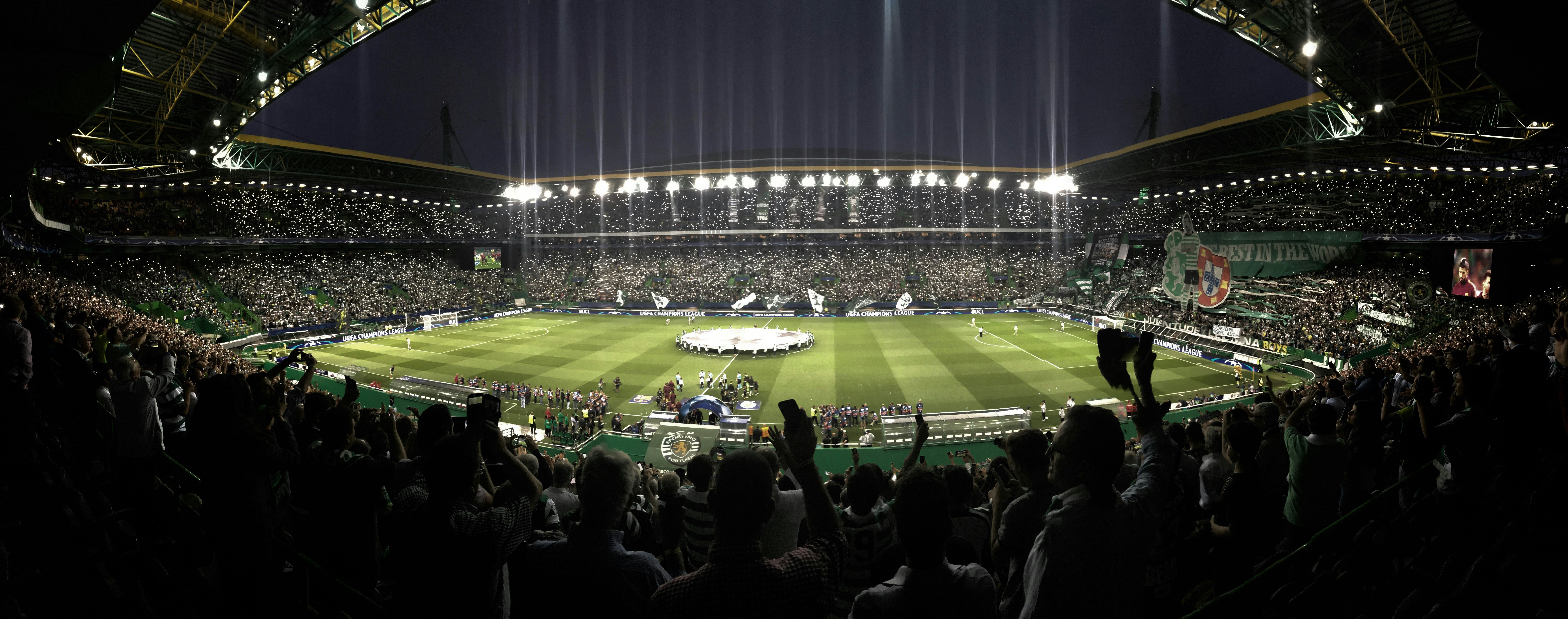
Part III: The Ticket Economy
A World Cup ticket is no longer merely admission to a football match. It is entry into a controlled scarcity market.
FIFA does not simply sell seats. It sells access to an event where demand is global, capacity is finite, emotion is intense and few substitutes exist for attending in person. That structure allows tickets to be priced, repriced, packaged and controlled.
How FIFA Turned Tickets into Scarce Inventory
The 2026 FIFA World Cup provided the clearest case study yet. Staged across the United States, Canada and Mexico, the expanded tournament brought 48 teams and 104 matches to 16 host cities.
More matches created more seats, hospitality sessions and resale activity. They also gave FIFA more opportunities to separate demand by city, team, opponent, tournament round and buyer type.
FIFA approved a revised revenue target of $13 billion for its complete 2023–2026 cycle. A Guardian analysis reported that approximately $3 billion was projected to come from World Cup ticket sales. Final audited tournament ticket revenue was unavailable when this article was prepared.
Ticketing is where FIFA’s commercial system reaches the individual supporter. The screen sells the global audience. The ticket sells the person inside the perimeter.
Adaptive Pricing Captured Demand
FIFA’s adaptive pricing made the scarcity model explicit. Prices could change between sales phases according to demand, match attractiveness and remaining inventory.
During the tournament, reported official prices ranged from $60 to $2,735 for group-stage matches and from $2,020 to $7,875 for the final. Those figures were only a snapshot. The Associated Press later reported that the highest official final ticket reached $10,990.
The $60 price also requires context. FIFA’s fixed-price Supporter Entry Tier was distributed through participating national associations and represented a limited supporter allocation—not a broadly available public price for every buyer.
A fixed price tells the customer what an organizer believes a ticket is worth. Adaptive pricing asks how badly the customer wants it.
Hospitality Segmented the Premium Buyer
Hospitality transformed the same match into several products: public event, corporate entertainment, executive meeting place and premium travel asset.
Official packages combined match tickets with food, entertainment, private suites and other services. The commercial purpose was price segmentation. A standard ticket bought admission; hospitality sold convenience, status and insulation from the ordinary match-day experience.
For corporate buyers, premium access did not guarantee commercial return. Hospitality became valuable only when the buyer invited the right customers, advanced genuine relationships and measured what happened afterward.
The principal risk was paying World Cup prices for prestige without converting the experience into retention, sales, partnerships or demonstrable brand value.
FIFA Monetized the Resale Market
The official Resale/Exchange Marketplace kept eligible secondary transactions within FIFA’s system.
FIFA’s resale guidance disclosed a 15% fee. Contemporary reporting described charges applying to buyers and sellers.
The commercial significance was straightforward: FIFA could participate financially when an eligible ticket entered the secondary market instead of surrendering the transaction entirely to an outside platform.
Local Law Changed the Economics
The same ticket behaved differently depending on jurisdiction.
FIFA’s marketplace rules allowed Mexican residents to list tickets only at or below the original price paid. Ontario law similarly restricted tickets for matches at Toronto Stadium to their original purchase price or less.
Ticket economics were therefore shaped by regulation as well as demand. Where law limited resale markups, part of the potential secondary-market extraction disappeared.
Digital Ticketing Controlled the Customer Relationship
Digital ticketing addressed real operational risks. It helped reduce invalid tickets, manage transfers and move buyers toward official channels.
It also placed the supporter inside FIFA’s account infrastructure. Tickets, transfers, resale eligibility and mobile entry operated through connected digital systems.
The ticket sat at the boundary between FIFA’s commercial platform and the host city’s operating environment. It could deliver entry instructions, venue rules and transport information while supporting crowd coordination. Public evidence did not establish how extensively ticketing data was shared with host-city authorities, so a deeper data relationship should not be assumed.
Revenue Versus Cultural Legitimacy
Extracting more revenue from the strongest demand can improve short-term yield. It can also weaken accessibility and supporter trust.
If ordinary fans are displaced by buyers treating attendance primarily as a premium experience, the tournament risks losing part of the atmosphere that makes the ticket valuable in the first place. Commercial optimization and football culture do not always point in the same direction.
That is the deeper business behind World Cup ticketing. FIFA controlled the primary sale, repriced scarcity, segmented premium buyers, participated in resale and retained the customer inside its digital infrastructure.
The match lasted 90 minutes. The ticket economy began months before kickoff and continued charging until the supporter reached the seat.
Editorial Disclaimer
This independent sports-business analysis is based on publicly available FIFA material, official ticketing and hospitality information, and credible industry reporting.
The Business Behind Sports has not been paid or compensated by FIFA, On Location or any ticketing platform mentioned in this article.
Final audited tournament ticket revenue, category-level sales volumes, hospitality contract terms, customer-data arrangements and independently verified buyer-return information were unavailable. This article assesses the visible commercial structure of the ticket market rather than calculating FIFA’s final profit or the return achieved by individual buyers.
Explore our complete International Football coverage.
Need an independent commercial assessment of a sporting property, sponsorship opportunity or host destination? The Business Behind Sports provides sponsor-package reviews, event business analysis and private commercial intelligence reports. Contact The Business Behind Sports.