Is Døds Diving League Sponsorship Worth Buying?
What brands should examine across league, event, team and championship sponsorship packages.

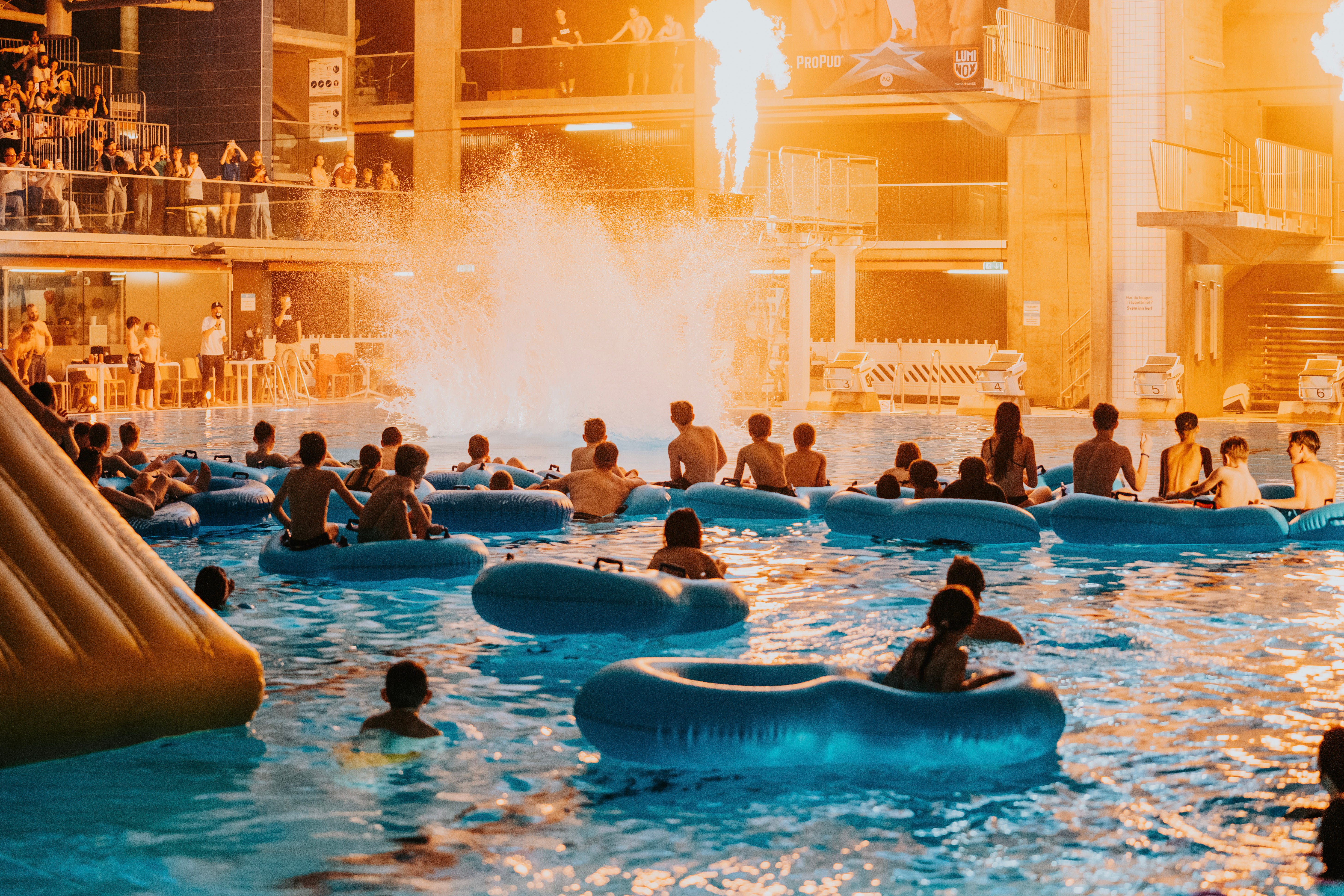
Døds Diving League sponsorship gives companies four principal entry points: the league, an individual World Tour event, a sponsored team or the World Championship.
Each product offers access to live competition, athletes, broadcasts and short-form content. Its commercial value cannot be established from public information alone. DDL does not disclose sponsorship prices, contract lengths, guaranteed exposure, activation budgets or partner-renewal rates.
A prospective sponsor must therefore judge the package through contracted rights, verified audience evidence, activation costs and measurable delivery.
Readers unfamiliar with the competition can begin with our guide to what death diving is and how Døds works.
Buyers Must Choose the Correct Rights Level
The Døds Diving League invites companies to sponsor its World Tour and World Championship.
A league agreement can provide season-long visibility across events and media. An individual event offers a more limited geographic opportunity, while team sponsorship connects the buyer directly with selected athletes. The World Championship provides a separate premium event product.
Potential rights include official status, category exclusivity, venue branding, broadcast graphics, digital content, hospitality and athlete access. Event packages may also offer tickets, product sampling and on-site promotion.
DDL does not publish a complete rate card or inventory. A buyer must establish which assets are guaranteed, which platforms are covered and whether competitors can purchase rights elsewhere in the league.
The wider revenue structure is examined in How the Døds Diving League Makes Money.
Team Sponsorship Requires Clear Ownership Terms
DDL introduced a formal team competition in 2025 alongside its individual rankings. Its team proposition allows athletes to represent a company at events, during broadcasts and across social media.
The term “team owner” requires scrutiny. Public information does not establish that a sponsor receives equity, permanent franchise rights or an asset that can later be sold.
A contract should identify who controls the team name, athlete selection, apparel, interviews, social accounts and event footage. It should also assign travel costs, appearance obligations, content approvals and the consequences of an athlete leaving the team.
Under DDL’s 2025 independent-team terms, teams were responsible for securing a sponsor or covering their own travel. DDL also listed a NOK 10,000 administrative fee for team photography and integration into broadcasts, social media and the league website.
Those terms applied to the 2025 independent-team programme. They are useful evidence of the services DDL has previously supplied, but they should not be treated as current sponsored-team pricing.
The official team page also does not consistently distinguish between brand-owned teams, independent groups and teams supported through separate sponsorship agreements. Buyers should resolve that distinction before accepting ownership language.
Championship Rights Carry a Premium Test
Championship sponsorship provides another buying route. VGAN served as title sponsor of the 2023 Døds World Championship, confirming that the event name has previously been commercialised.
The 2026 championship will take place in Arendal, Norway. Its sponsorship prices and complete inventory remain private. Buyers should compare any premium against guaranteed exposure, hospitality use, content rights and an audience that can be independently demonstrated.
Our separate analysis examines the business of the 2026 Døds World Championship in Arendal, including paid attendance, visitor spending and local delivery costs.
Distribution Does Not Prove Sponsor Exposure
Death diving fits short-form media because a complete jump can be clipped and shared without a lengthy explanation. That gives sponsors potential exposure through highlights, athlete features, livestream graphics and branded performance segments.
DDL says its World Championship has reached more than 200 million households through broadcasters including FOX Sports, DAZN, Extreme and MBC. This is a rights-holder distribution claim. It does not establish audience size, viewing time or sponsor exposure.
A buyer should request platform-level viewing data, territories, watch time, guaranteed branding, clip rights and post-event delivery reports.
A global distribution agreement can increase availability without guaranteeing that a sponsor’s branding will appear prominently. Screen time, audience and delivered exposure must be measured separately.
Multiple Rights Layers Can Create Conflicts
League sponsors, event partners, sponsored teams and championship buyers can seek similar categories and branding positions.
A team sponsor may receive apparel placement while a league partner controls broadcast graphics or event signage. Regional partners may also operate around individual World Tour competitions.
The contract should specify category protection across every relevant rights layer. It should also state whether exclusivity applies to the league, one event, a team, a territory, digital content or the complete season.
Without those boundaries, a buyer could pay for exclusivity while competing brands remain visible elsewhere in the same competition.
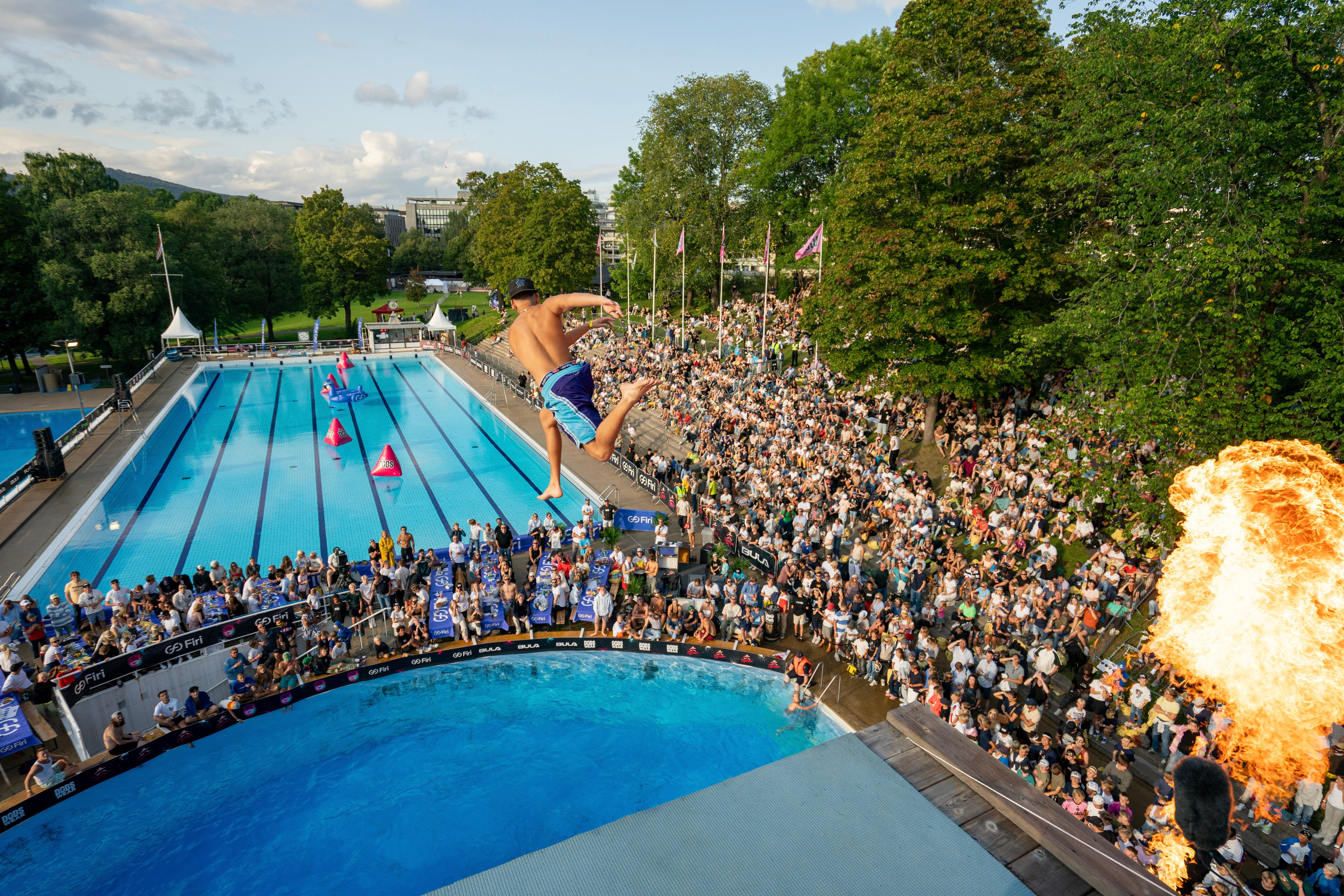
The Rights Fee Is Only Part of the Cost
Athlete content, hospitality, product trials, retail promotions and competitions require additional spending beyond the sponsorship fee.
Before signing, a sponsor should establish the complete campaign budget and agree how DDL will report branded content, screen exposure, hospitality use, leads and other contracted outcomes.
Renewal should depend on evidence agreed before the campaign begins. Social views supplied without platform, territory, viewing-time or branded-exposure data are insufficient for a serious commercial assessment.
The Buyer Verdict
DDL offers a recognisable emerging-sport property built around live events, athletes and highly shareable competition footage. That combination may suit brands seeking short-form sports audiences, unusual content or an association with extreme sports.
The opportunity remains difficult to price from public information. Sponsorship fees, verified audience reports, exposure guarantees and renewal rates are private.
A buyer should therefore assess DDL as a rights package rather than purchase the general promise of viral reach. The strongest agreement will define ownership, exclusivity, athlete obligations, content usage, screen exposure, activation support and post-campaign reporting before money changes hands.
This article forms part of our Norwegian Sports Business coverage.
Need an independent assessment of a sports sponsorship opportunity? The Business Behind Sports provides sponsor-package reviews, event business analysis and private commercial intelligence reports. Contact The Business Behind Sports.
Editorial Disclaimer
This article was produced independently and without payment, sponsorship, editorial review or advance approval from the Døds Diving League, the International Døds Federation, its teams, athletes, sponsors, broadcasters, host cities or any other organisation mentioned.
The analysis is based on publicly available league, team, sponsor, event and media material. Private sponsorship contracts, prices, activation budgets, audience reports, team agreements, broadcast payments and partner-performance data were not available for review.