
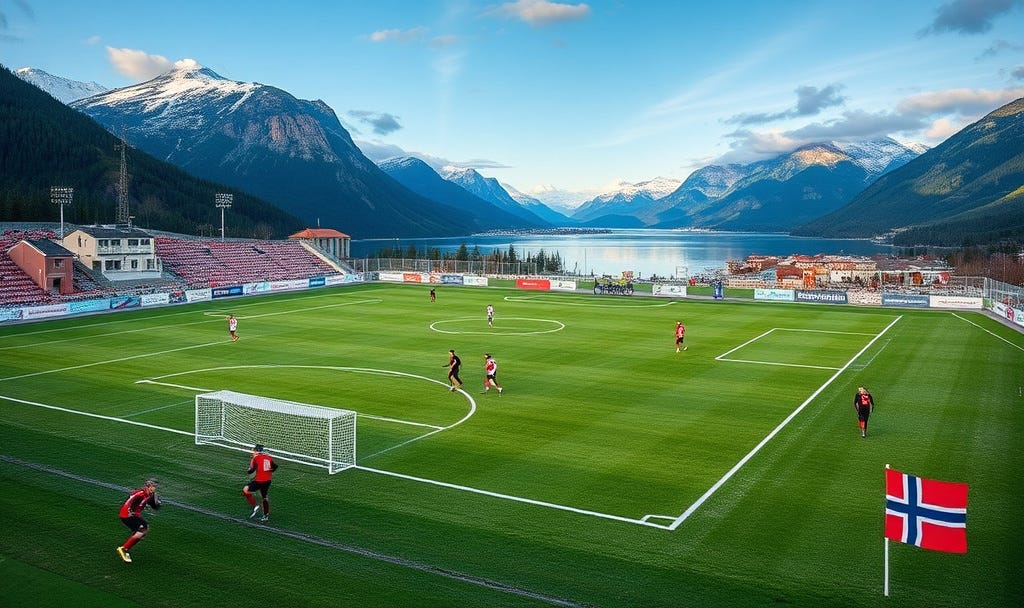
Norway’s sports economy extends beyond match results, medals and participation. Football federations, national teams, endurance races, winter-sport events, chess tournaments and extreme-sport properties create commercial value through sponsorship, media, ticketing, participation, tourism, public funding and host-community relationships.
This Norway sports business guide brings together independent analysis of the country’s leading sporting properties and the commercial mechanisms behind them. The articles examine where revenue is generated, who carries operating risk and whether public claims are supported by measurable evidence.
Norwegian Football Business
How the Norwegian Football Federation Makes Money
How sponsorship, ticket sales, FIFA and UEFA payments, merchandise, licensing and public support contribute to the Norwegian Football Federation’s business model.
Who Sponsors Norway’s National Football Team?
A guide to the commercial roles held by KIWI, BAMA, Telenor, Gjensidige, Nike and other partners around Norway’s national teams.
Norway Football Sponsor Categories Explained
A practical guide to the different commercial positions across Norwegian football, including general partners, national-team sponsors, equipment suppliers, media partners and grassroots relationships.
Norway National Team Nike Kit Agreement
How Norway’s new Nike kit partnership became the Norwegian Football Federation’s largest single commercial agreement, according to NFF, and what the equipment supplier receives from the relationship.
Norway’s National Team Is a Business Asset Again
Record television audiences, shirt shortages, sponsor value and FIFA funding show how World Cup success rebuilt the men’s national team as a major commercial property.
How team fees, participant cards, accommodation, meals, sponsorship and visitor demand create a week-long youth-football economy in Oslo.
Norwegian Marathons and Running Events
Oslo Marathon Business Analysis
How a sold-out capital-city race creates registration income, sponsor inventory, workplace participation, visitor activity and pressure on public streets.
Trondheim Marathon Business Analysis
How Norway’s oldest marathon uses a two-day programme to create value for sponsors, employers, visitors and city-centre businesses.
Stavanger Marathon Business Model
Why strong participation does not guarantee strong margins—and how sponsorship, corporate participation and a wider race portfolio could strengthen the event.
Midnight Sun Marathon Business Analysis
How international participation and Arctic summer demand support the Tromsø race, while recent operating losses leave the organizer’s commercial return unresolved.
Aurora Marathon Business Model
How a small race in Alta becomes a premium six-night Arctic tourism product combining running, accommodation, winter activities and northern-lights demand.
Winter Sport, Arctic Events and Tourism
Holmenkollen Ski Festival Business Analysis
World Cup status, sponsorship and public infrastructure support one of Norway’s best-known sporting traditions, but recent losses expose the commercial limits of heritage.
Birkebeinerrennet Business Analysis
How Birken converts history, physical difficulty, logistics and earned status into participant demand and a distinctive sponsorship platform.
Finnmarksløpet Business Analysis
How Arctic logistics, volunteers, dog welfare, regional communities and winter tourism shape the commercial value and operating risk of Norway’s longest sled-dog race.
The Arctic Triple Business Model
How a Lofoten endurance portfolio generates revenue across several events while rising costs and negative equity expose the financial pressure behind destination racing.
Svalbard Adventures Business Model
How a Svalbard operator attempts to capture more visitor spending through accommodation, dining, guided activities, equipment rental, transport, conferences and travel packages.
Extreme and Specialist Sports
Norseman Xtreme Triathlon Sponsor Value
How limited access, mountain hardship and earned status created one of Norway’s strongest niche sponsorship properties.
Ekstremsportveko Business Analysis
How Voss combines extreme sport, volunteers, sponsors, public funding, music and landscape to create a destination-event economy.
Døds Diving League Business Model
How a Norwegian extreme-sport subculture is being developed into an international property through sponsored teams, host cities, ticketing, media and merchandise.
Chess Business
Norway Chess Business Analysis
How elite players, Armageddon, sponsor relationships, hospitality and executive access turn chess into a premium sports-business product.
How Norway Chess plans to use a FIDE-recognised world title, international host cities, investor capital and media rights to create a recurring global tour.
Cycling Business
Tour of Norway Business Analysis
How Norway’s leading road-cycling race creates sponsor, broadcast, tourism and regional value—and why its 2026 cancellation exposed a fragile funding structure.
The Business Behind Norwegian Sport
These properties use different commercial models. National football concentrates mass attention. Marathons sell participation and access to city streets. Arctic events combine sport with destination travel. Winter properties draw on heritage, while chess and extreme sport convert specialist credibility into media and sponsor value.
The central questions remain consistent:
Who controls the commercial inventory?
Which stakeholders receive measurable value?
How much revenue stays with the organizer?
What does the property cost to deliver?
Where do municipalities and public agencies carry risk?
Can sponsorship and tourism claims be measured?
The Business Behind Sports examines those questions using publicly available financial records, organizer information, public budgets, event pricing, sponsorship announcements, tourism studies and media reporting.
For sponsor-package reviews, event business analysis or short sponsor briefs, contact The Business Behind Sports.