How Svalbard Adventures Sells the Complete Arctic Journey
How one operator in Longyearbyen, Svalbard, Norway, connects accommodation, dining, activities and sporting events around the business of Arctic travel.

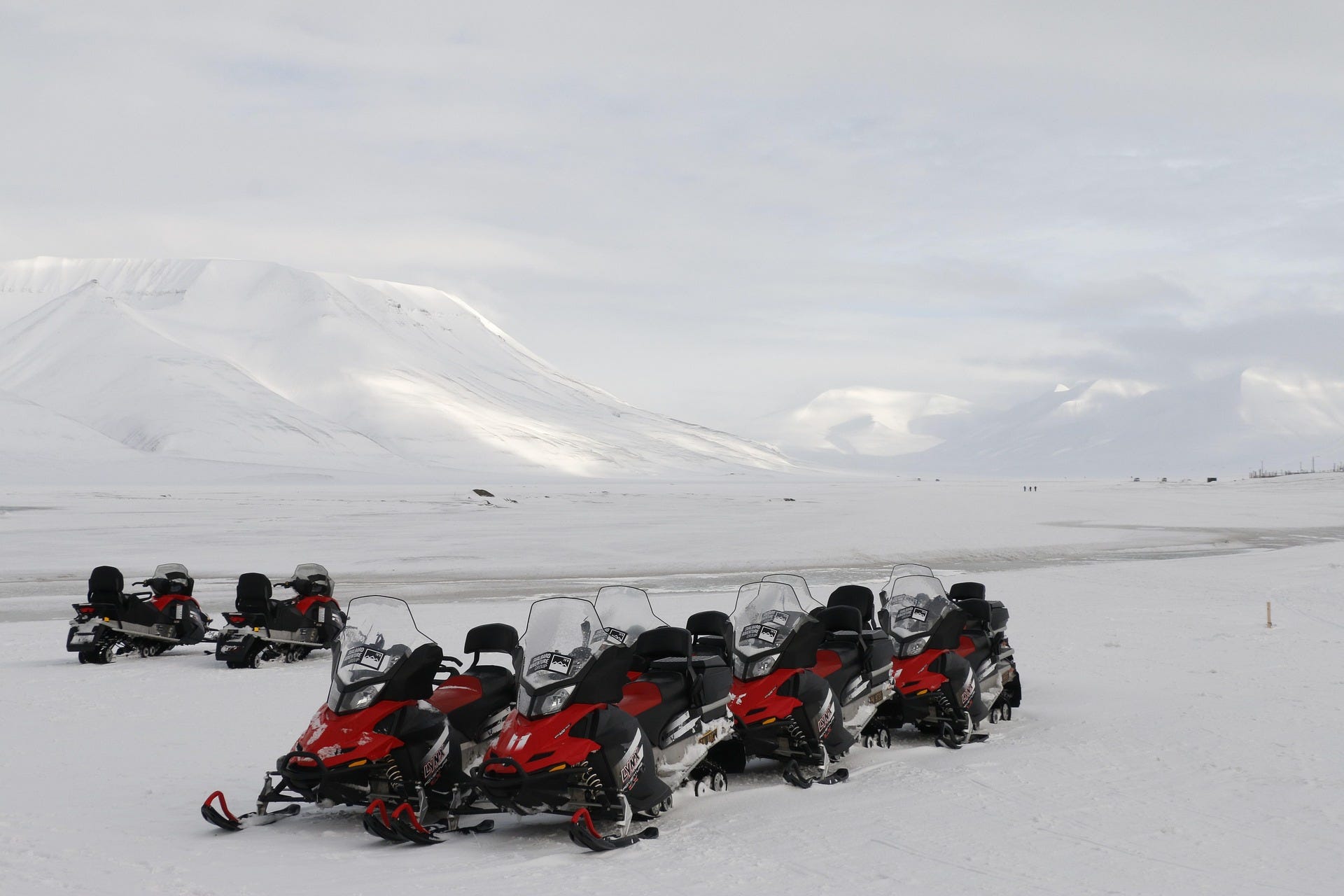
The Svalbard Adventures business model is built on vertical integration across accommodation, dining, guided activities, equipment rental, transport, conferences and travel packages in Longyearbyen, Svalbard, Norway. Rather than compete for one hotel booking or excursion, the company attempts to increase revenue per visitor by controlling more of the Arctic journey.
That breadth creates several opportunities to earn from the same customer. It also exposes the operator to high fixed costs, seasonality, operational disruption and financing pressure. Svalbard Adventures can capture more visitor spending than a standalone hotel or activity provider, but commercial reach does not automatically produce strong margins.
The business traces its tourism experience back almost 30 years, although the current legal company, Svalbard Adventures AS, was established in 2016. The distinction matters. Operating history supports credibility, while the modern company structure shows how separate visitor services have been assembled into a broader Arctic tourism platform.
Cross-Selling Raises Revenue per Visitor
Most tourism businesses control one part of a trip. A hotel sells accommodation. A restaurant sells meals. A guide sells an excursion. Each company must acquire the visitor and convert that interest into an individual transaction.
Svalbard Adventures is positioned across several of those decisions. A customer can stay in company accommodation, eat at its restaurants, rent clothing or equipment, join an expedition and book local transport through the same commercial ecosystem.
The advantage is not that every guest buys every product. It is the opportunity to cross-sell after the expensive customer-acquisition decision has already been made. A traveller who first encounters the company through accommodation can be presented with dining, activities, rentals and packages without starting a new relationship with an unfamiliar operator.
That can raise average visitor value while reducing acquisition pressure across individual business units. The customer receives convenience and one recognizable point of contact. Svalbard Adventures gains more chances to convert the same trip into revenue.
The key metric is not the number of products offered. It is how effectively customers move between them.
Sporting Events Create Date-Certain Demand
Sporting events strengthen the model because they give visitors a fixed date and a specific reason to travel.
The Svalbard Ski Marathon does more than bring skiers to a starting line. Visiting participants may require accommodation, meals, equipment, local transport and activities before or after the race. Svalbard Adventures markets a complete Svalbard Ski Marathon package combining accommodation, dining and Arctic experiences around the competition.
The race creates the initial booking trigger. The surrounding itinerary creates the opportunity to increase revenue per participant.
This follows the wider mechanism examined in the Svalbard Ski Marathon business analysis: registration is only one transaction within a larger visitor economy.
Svalbard Adventures also states that it supports the annual Spitsbergen Marathon. That relationship is commercially relevant because the company is not merely buying visibility around the event. It can also sell services required by travelling runners and their companions.
As examined in the Spitsbergen Marathon business analysis, endurance events can concentrate demand for beds, meals, transport and activities around a predictable date.
A conventional sponsor may receive branding, content or hospitality rights. An integrated destination operator can receive those benefits while also competing for event-generated visitor spending. The company therefore operates as both an event supporter and a potential commercial beneficiary of the demand the event creates.
This is the wider reason tourism businesses use sports events: sport supplies the deadline, while the destination economy attempts to convert that attention into bookings and extended stays.
Integration Expands Revenue and Cost Exposure
The company’s public accounts show why commercial breadth should not be confused with profitability.
Svalbard Adventures AS recorded NOK 106.4 million in operating revenue in 2024. It produced approximately NOK 1.2 million in operating profit but reported a pre-tax loss of about NOK 9.1 million and an annual loss of roughly NOK 8.8 million.
Those figures validate the company’s ability to generate substantial revenue across the visitor journey. They also expose the weakness of equating a broad product portfolio with durable profitability.
The positive operating result indicates that the underlying activities generated a narrow surplus before financial items. The large deterioration between operating profit and the pre-tax result suggests that financing and capital structure are central to the commercial assessment.
Integration creates more revenue opportunities, but it also brings more assets and obligations. Hotels, restaurants, vehicles, specialist equipment, guides, maintenance, safety systems and seasonal staffing all need funding. A wider platform can cross-sell more effectively while simultaneously carrying more capacity that must remain productive.
Arctic operations intensify that exposure. Weather can alter routes or cancel activities. Machinery and safety equipment require specialist maintenance. Food, replacement parts and hotel supplies must reach an isolated settlement where delays are expensive and operational alternatives are limited.
The real test is therefore not whether Svalbard Adventures can generate revenue. It is whether operating returns can consistently carry the fixed, seasonal and financial burden created by controlling so much of the journey.
The Missing Metric Is Conversion
Public information explains the company’s structure but does not show how effectively the integration works at customer level.
Svalbard Adventures does not publicly disclose how many accommodation guests also book activities, how frequently activity customers purchase meals or rentals, or whether event-package buyers spend more than ordinary leisure visitors.
Package-conversion rates, average revenue per visitor, seasonal occupancy, activity margins, customer-acquisition costs and the share of revenue connected to sporting or corporate events are also unavailable.
Those omissions prevent a firm conclusion about cross-selling performance. A company can place several services under one brand without successfully moving customers between them.
The available evidence supports a narrower finding: Svalbard Adventures has constructed the infrastructure needed to capture several stages of an Arctic trip. Its accounts show that converting that breadth into strong and resilient profitability remains the harder commercial task.
Convenience Is the Commercial Product
Svalbard Adventures sells hotel rooms, meals, rentals, transport and Arctic experiences. The connective product is convenience.
Visitors are purchasing the ability to organize an unfamiliar and operationally demanding journey through a company already embedded in Longyearbyen. That reduces the number of suppliers, decisions and logistical uncertainties involved in assembling the trip.
Sporting events make that proposition more valuable. A marathon or ski race gives the customer a reason to commit to Svalbard on a specific date. Svalbard Adventures can then assemble accommodation, dining, transport and activities around that commitment.
The company’s strongest commercial position is therefore not control of one attraction. It is its ability to place several bookable services around the reason a visitor travels.
Whether that becomes a sustainably profitable model depends on conversion, utilization and financial discipline. Selling more of the journey creates greater revenue potential. It also leaves the company carrying more of the cost when demand, weather or financing moves in the wrong direction.
Svalbard Adventures FAQ
What does Svalbard Adventures offer?
Svalbard Adventures offers accommodation, restaurants, guided Arctic activities, equipment rental, local transport, travel packages, conferences and event-related services in Longyearbyen, Svalbard, Norway.
How does the Svalbard Adventures business model work?
The company operates across several stages of the visitor journey. It attempts to increase revenue per visitor by selling accommodation, dining, activities, rentals, transport and packages through the same commercial ecosystem.
Why are sporting events valuable to Svalbard Adventures?
Sporting events give visitors a fixed reason and date to travel. Participants may also need accommodation, meals, equipment, transport and additional activities, creating revenue opportunities beyond race registration.
Is Svalbard Adventures profitable?
Svalbard Adventures AS recorded a positive operating result in 2024 but reported a substantial pre-tax loss. The figures show that the company generates significant revenue while carrying considerable operating, capital and financing exposure.
What is the biggest commercial risk in the model?
The company must maintain and utilize several cost-intensive business units in an isolated, seasonal destination. Weather disruption, weak conversion, excess capacity and financing costs can reduce the value created by vertical integration.
Recommended Readings
Svalbard Ski Marathon Business Analysis
Spitsbergen Marathon Business Analysis
How Tourism Boards Use Sports Events
How Endurance Races Make Money
Editorial Disclaimer
This article is an independent analysis based on publicly available information from Svalbard Adventures, Norwegian company records, official travel-package pages, community-sponsorship information and related event sources.
The Business Behind Sports has not been paid, commissioned or compensated by Svalbard Adventures, its owners, any accommodation provider, restaurant, sporting event, tourism organization or commercial partner mentioned in this article.
Private revenue breakdowns, operating margins by business unit, package-conversion rates, average visitor value, occupancy data, event-related revenue, sponsorship agreements, financing terms and customer-acquisition costs were not publicly available. No claim has been made that sporting-event participants or accommodation guests purchase additional company services unless supported by public evidence.
For sponsor-package reviews, event business analysis or short sponsor briefs, contact The Business Behind Sports.