How Florida Equestrian Events Make Money
In Florida, United States, horse shows distribute spending across organizers, venues, equine-service companies, sponsors, hotels and tourism destinations.

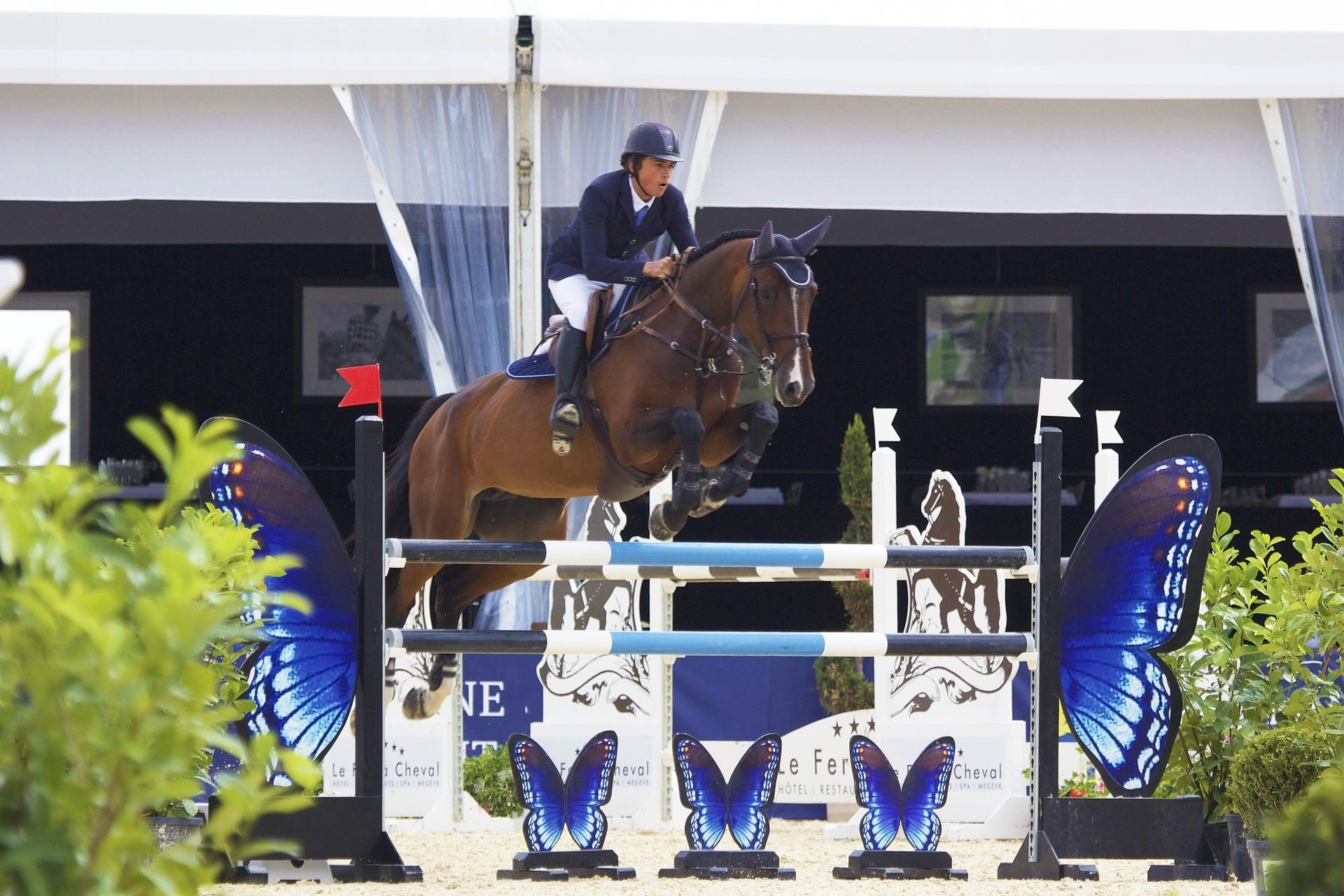
Equestrian competition supports stabling, hospitality and visitor spending across Florida. Image disclaimer: The photograph does not depict a specific event or venue featured in this article.Florida’s equestrian-event economy is not one business. It is a chain of transactions divided among show organizers, venue owners, horse-service companies, hotels, sponsors and public tourism agencies.
Competition creates the demand, but commercial return depends on who controls entries, stabling, feed, accommodation, hospitality, retail and media inventory. A destination can receive substantial spending while the organizer retains only a fraction of it.
Horses Create More Than an Entry Fee
Riders may pay class entries, nominations, memberships and administrative charges. Each horse then creates demand for stalls, tack rooms, paddocks, feed, bedding, manure removal, transport and veterinary support.
World Equestrian Center–Ocala’s 2026 Winter Spectacular pricing lists weekly stalls and tack stalls at $375, locking tack rooms at $400 and paddocks at $375. Circuit stalls, tack rooms and paddocks were priced at $3,600. Every horse on the grounds must also carry either a stall or ship-in charge.
These prices reveal paid inventory, not profit. Governing-body fees may pass through, prize money remains an acquisition cost and revenue may be divided among the venue, show manager and suppliers.
Longer Circuits Expand Spending—and Exposure
Florida’s winter climate allows major properties to operate for weeks rather than one weekend. Longer stays create repeated expenditure on horse care, accommodation, dining and transport. They also extend staffing, footing, security, insurance and animal-welfare obligations.
A commissioned study estimated that the 2025 Winter Equestrian Festival contributed $536.2 million to Palm Beach County GDP. It attributed $205.5 million in direct spending to nonresident horses, $63.4 million to participant tourism and $55 million to spectators. The total includes economic multipliers and is not Wellington International revenue.
The report provides evidence, but not certainty. Its participant survey had a 15.3 percent response rate, while the spectator sample fell below its target. It also reports 4,540 spectator room nights in one section and 48,263 in another. The overall accommodation total should therefore be treated cautiously.
Read the separate Winter Equestrian Festival analysis for a closer examination of those figures.
Venue Control Determines Revenue Capture
Wellington International operates a major competition platform, but surrounding farms, hotels, restaurants and independent specialists retain much of the regional spending.
World Equestrian Center–Ocala follows a more integrated structure. Competition sits alongside stabling, accommodation, dining, retail, veterinary services and private-event space.
That gives the property more opportunities to retain customer spending before it leaves the campus. Vertical integration also concentrates capital requirements, staffing costs and maintenance exposure. Public information establishes the revenue architecture, not whether the investment earns an attractive return.
Sponsorship Has a Visible Price Ladder
Equestrian sponsorship can combine competition naming, branded jumps, livestream advertising, email marketing, hospitality, gifting, digital content and category rights.
Wellington International’s 2026 sponsorship material prices Marketer packages from $31,500 to $58,000 and Brand packages from $59,000 to $115,000. Leadership inventory ranges from $116,000 to $249,000, while Major Partner packages begin above $250,000.
These are asking prices, not confirmed contracted revenue. Sponsor value still depends on category protection, audience verification, hospitality use, customer acquisition, activation cost and renewal.
Smaller properties package access differently. Live Oak International offers general admission, VIP hospitality, tailgating, premium parking and an evening party. A tailgating position includes a dedicated space, six admission tickets and one parking pass, turning the combined-driving marathon into a group hospitality product.
Tourism Impact Must Be Assigned to the Right Stakeholder
Hotel stays, restaurant spending and horse-service purchases may support the destination economy without appearing in organizer accounts.
An event-level tourism claim requires visitor origin, length of stay, paid room nights, incremental spending, attributable taxes and public delivery costs. Countywide horse-industry totals cannot be assigned to one event simply because it takes place nearby.
The measurement problem is examined further in How Sports Events Measure Economic Impact.
Commercial Verdict
Florida equestrian events create more paid transactions than most participant-sport properties because every horse requires accommodation, care and specialist services in addition to the rider’s competition entry.
Long circuits can generate substantial destination spending. Integrated campuses can retain more accommodation, dining, retail and horse-service revenue. Premium sponsorship and hospitality provide additional inventory.
The public record confirms those mechanisms but rarely reveals organizer margins, sponsor outcomes or returns on invested capital. Commercial quality therefore depends on more than attracting horses and visitors. The decisive question is which stakeholder captures each transaction—and whether retained income exceeds the cost and risk of delivering the calendar.
Florida Equestrian Events FAQ
How do Florida equestrian events generate revenue?
Organizers and venues can receive income from entries, stalls, tack rooms, paddocks, feed, parking, sponsorship, hospitality, vendors and facility services. Hotels and independent equine businesses capture separate spending.
Is prize money event revenue?
No. Prize money is normally a cost used to attract competitive quality. It must be financed through entries, sponsorship, ownership support or venue investment.
Why does venue ownership matter?
A venue controlling stabling, accommodation, dining, retail and services has more opportunities to retain spending. It also carries greater capital and operating exposure.
What can an equestrian sponsor purchase?
Inventory can include competition naming, branded obstacles, livestream advertising, hospitality, email marketing, digital content, gifting and category rights.
Does economic impact equal organizer profit?
No. Economic impact estimates wider regional activity. Organizer profit depends on retained income after prize money, staffing, facilities, insurance and delivery costs.
Editorial Disclaimer
This independent analysis relies on publicly available economic-impact research, competition pricing, sponsorship documents, ticketing information and venue materials.
The Business Behind Sports was not paid or compensated by Wellington International, World Equestrian Center–Ocala, Live Oak International, any sponsor, public agency or organization mentioned.
Private entry revenue, sponsorship contracts, hotel economics, supplier agreements, operating costs and event-level profitability were unavailable. Economic-impact estimates are modeled regional results and should not be treated as organizer revenue or audited public return.
This article forms part of the Florida Sports Business collection.
For sponsor-package reviews, event business analysis or short sponsor briefs, contact The Business Behind Sports.