Lake Myrtle Sports Park Business Model
How a publicly backed sports complex in Auburndale, Florida, uses tournaments, tourism taxes and expansion to generate visitor spending across Polk County in the United States.

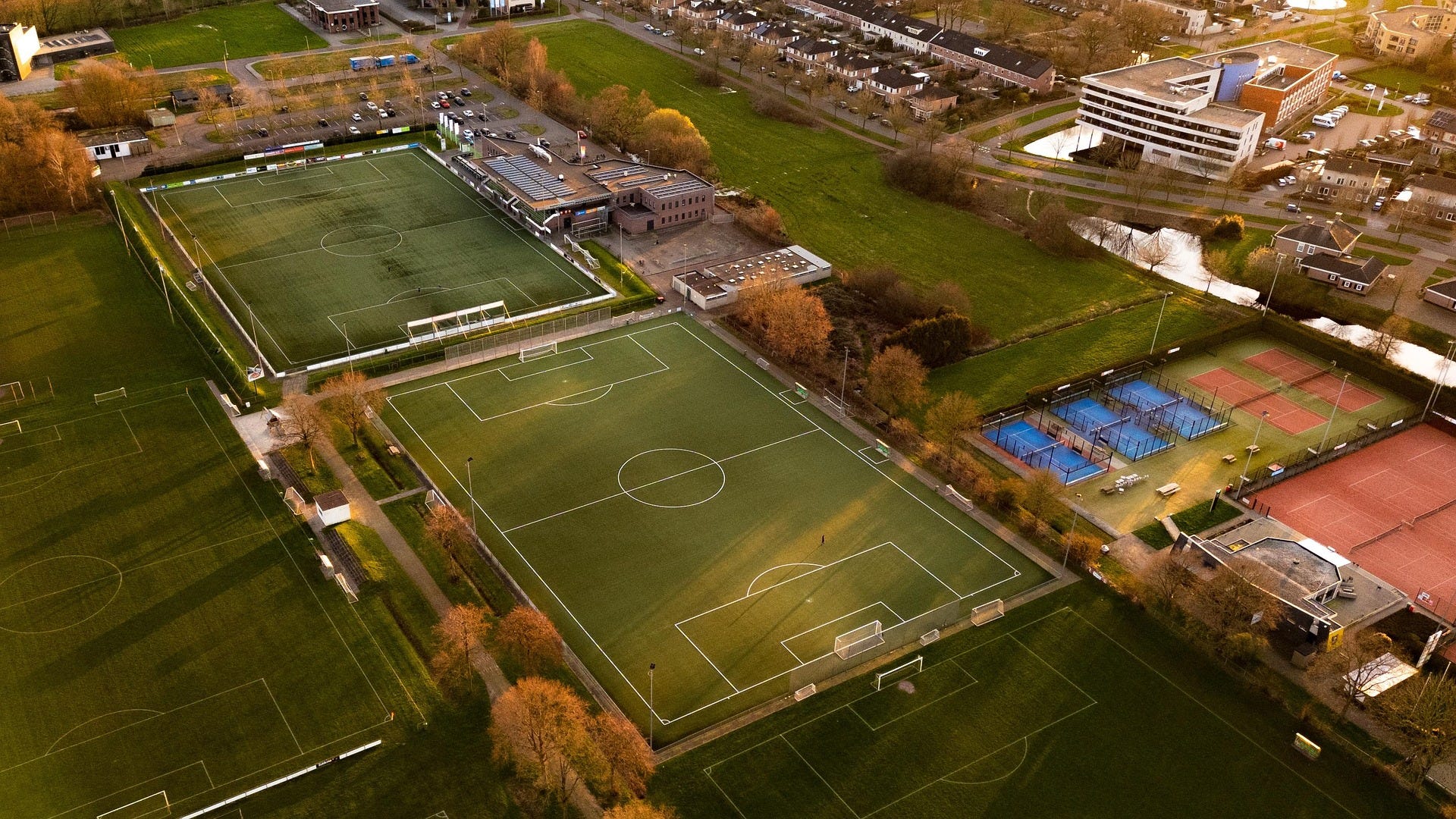
Lake Myrtle Sports Park in Auburndale, Florida, is a publicly backed sports-tourism platform. Its commercial model is straightforward: build enough tournament capacity to attract travelling teams, use events to generate overnight stays and local spending, then reinvest tourism-tax revenue in facilities capable of winning larger competitions.
The model is credible because Lake Myrtle is not dependent on one field, one sport or one weekend. The harder question is whether its reported economic impact translates into measurable public return.
How the Lake Myrtle Sports Park Business Model Works
The City of Auburndale owns and operates the complex, while Polk County supports event recruitment, tourism marketing and capital development. City records list nine collegiate baseball fields, five youth baseball fields, 11 international-sized soccer fields, a soccer stadium and a competitive water-sports lake.
That inventory creates scheduling leverage. Baseball, soccer and water sports can occupy different parts of the calendar, while rugby, lacrosse, archery and community events broaden utilisation. Visit Central Florida Sports and the Florida Youth Soccer Association are also based at the complex, placing destination sales and sports-governing relationships close to the venue.
The operating principle is not stadium economics. Lake Myrtle does not need every visitor to buy a premium ticket. It needs teams, families, officials and organisers to remain in Polk County long enough to generate hotel nights, meals, transport spending and event-related purchases.
Tournament Volume Creates the Economic Case
Sports ETA reported that Lake Myrtle hosted 58 events and attracted more than 220,000 participants and spectators in 2024, with an estimated economic impact above $50 million.
Those figures indicate scale, but they require discipline. Economic impact is not park revenue, profit or tax return. It normally estimates spending linked to participants and visitors across the wider destination.
Lake Myrtle’s event calendar nevertheless supports the underlying mechanism. The complex has staged Perfect Game baseball tournaments, U.S. Youth Soccer competition, water-sports championships, archery events and the RussMatt Central Florida Invitational.
Multi-day events are especially valuable because they create repeat demand for accommodation and food rather than a single afternoon of local attendance.
The same mechanism sits behind the Publix Sports Park business model: fields recruit the event, but visitor spending supports the destination argument.
Why Polk County Is Funding Expansion
A 2024 agreement outlined $18 million in Polk County tourist-development-tax support for phased improvements. The programme includes water-sports facilities, multipurpose fields, softball fields, a baseball stadium and upgrades around the soccer venue. Auburndale also committed funding to parts of the development.
This is not conventional parks spending. It is destination infrastructure financed on the premise that better facilities will secure higher-level events and produce additional tourism demand.
The risk is equally clear. New fields only create economic value when event sales, maintenance, hotel capacity and destination marketing keep pace. More inventory without more profitable demand produces higher operating obligations, not automatic return.
That is the same public-investment test facing Paradise Coast Sports Complex: expansion must be judged against incremental visitors, verified room nights and the full cost of operating the asset.
Sponsorship Is Revenue Inventory, Not Decoration
Lake Myrtle also carries commercial inventory across its baseball fields, soccer assets, championship stadium and event lake.
Official marketing agreements provide for corporate sponsorship and advertising revenue, with revenue-sharing arrangements involving Auburndale, Polk County and, for soccer inventory, the Florida Youth Soccer Association.
The strongest sponsor fit is likely to come from categories that value families, youth participation, regional visitors and repeat tournament traffic. But fit alone does not prove value.
A credible activation programme would connect the sponsor to the visitor journey through event services, hydration, family areas, digital schedules, awards, hospitality or measurable local offers. A logo beside a field may provide visibility. It does not by itself demonstrate business return.
The Commercial Verdict
Lake Myrtle’s strength is institutional alignment. The city controls the facility, Polk County helps finance and sell the destination, sports organisations operate on site, and a diversified calendar creates multiple routes to visitor demand.
The model is stronger than a complex built around vague hopes of “economic impact.” Lake Myrtle has material event volume, established sports relationships and a defined expansion programme.
The evidence gap remains important. A full commercial assessment would require verified room nights, visitor origin, direct spending, operating costs, event subsidies, facility revenue, sponsorship income and tax receipts.
Until those figures are available, the reported $50 million should be treated as an economic-impact estimate—not an audited return on public investment.
Lake Myrtle is therefore a credible Florida sports-tourism asset. Its next test is not whether it can host more events. It is whether the expansion can convert additional capacity into demonstrably incremental business for Polk County.
Lake Myrtle Sports Park FAQ
Who owns Lake Myrtle Sports Park?
The City of Auburndale owns and operates Lake Myrtle Sports Park. Polk County supports the complex through tourism marketing, event recruitment and capital funding.
How does Lake Myrtle Sports Park generate commercial value?
The complex attracts tournaments and championships that bring athletes, families, officials and organisers to Polk County. Commercial value can come through facility activity, sponsorship and advertising, while the broader public case depends on hotel stays, restaurant spending and other visitor purchases.
What is Lake Myrtle Sports Park’s economic impact?
Sports ETA reported an estimated economic impact above $50 million from 58 events and more than 220,000 participants and spectators in 2024. The estimate does not represent facility revenue, profit or audited taxpayer return.
Why is Lake Myrtle Sports Park expanding?
The expansion is intended to improve event-hosting capacity and help Polk County compete for larger baseball, soccer, softball and water-sports events. Its financial success will depend on whether the new capacity generates additional visitor demand.
Recommended Readings
Read Publix Sports Park Business Model for the relationship between tournament infrastructure, naming rights and destination tourism.
Read Paradise Coast Sports Complex Business Model for the commercial debate surrounding public investment and facility expansion.
For the measurement problem, read How Sports Events Measure Economic Impact.
Explore the Sports Business Library for further analysis of sports facilities, sponsorship, tourism and host-city economics.
Editorial Disclaimer
This independent analysis is based on publicly available City of Auburndale records, facility information, event calendars and sports-tourism reporting.
The Business Behind Sports was not paid or compensated by the City of Auburndale, Polk County, Visit Central Florida Sports, Lake Myrtle Sports Park, an event owner or any commercial partner mentioned in this article.
Private facility revenue, rental agreements, operating costs, event subsidies, sponsorship income, verified hotel-room data and detailed economic-impact calculations were not publicly available. Reported economic impact should not be treated as facility income, profit or audited taxpayer return.
The Business Behind Sports produces Short Sponsor Briefs and Sports Property Commercial Intelligence Reports for events, sponsors, tourism organisations and destination partners.