How Loggerhead Triathlon Creates Sponsor Value
How Jupiter, Florida’s heritage triathlon earns through race entries, corporate teams, sponsorship and coastal activation.

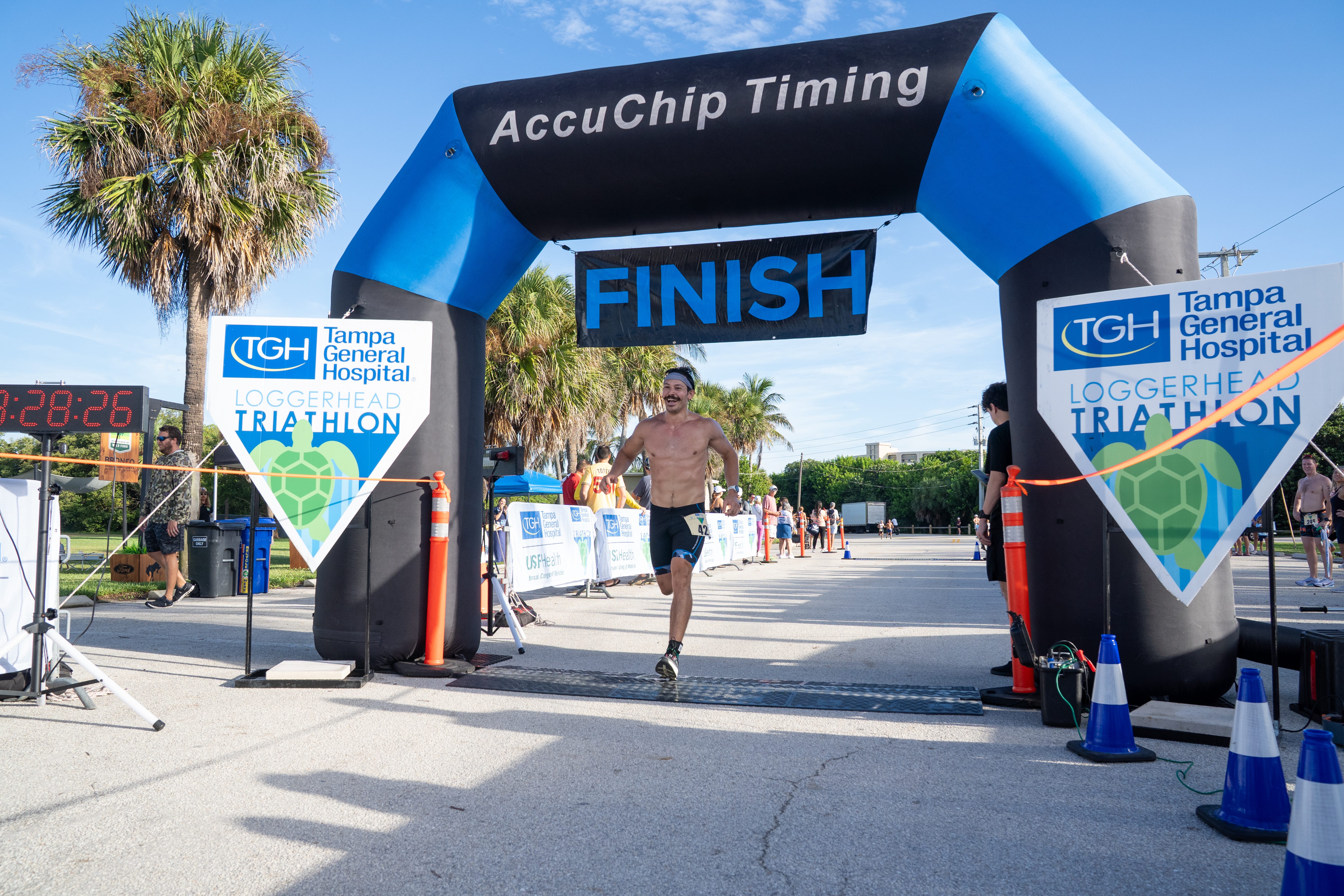
The Loggerhead Triathlon is a heritage sprint race in Jupiter, Florida, United States. Its commercial model combines accessible participation, Chamber-led business relationships and sponsor activation tied directly to the coastline.
Produced by the Palm Beach North Chamber of Commerce, the race dates to 1985 and returns to Carlin Park on August 22, 2026. The course combines a 3/8-mile ocean swim, a 13-mile bike leg and a flat 3.1-mile run. That shorter format lowers the entry barrier while preserving the operational complexity and identity of triathlon.
The Product Is Accessibility, Not Extreme Distance
Loggerhead offers several entry points into the same event: individual triathlon, relay, duathlon and AquaBike. A first-timer division, mandatory seminar and separate start wave reduce intimidation, while youth pricing for athletes aged 14–19 creates a deliberate acquisition route for the next generation.
The organizer told The Business Behind Sports that participation averages approximately 450 and has historically exceeded 600. That is large enough to create race-day scale and sponsor inventory without forcing the event to abandon its community identity.
Registration remains a meaningful but mix-sensitive revenue line. Current public prices include $129 individual, duathlon and AquaBike entries, $179 relay teams and $99 youth pricing. Because the reported 450-participant average includes several formats, multiplying the entire field by one headline fee would not produce a reliable revenue estimate.
Chamber ownership is part of the commercial mechanism. It gives the race a direct route into corporate teams, member businesses and local sponsors, reducing the distance between event inventory and business-to-business sales. The corporate-team offer adds discounted registration, priority packet pickup, signage and finish-line photography.
As explained in How Endurance Races Make Money, registration is only one layer of an endurance property’s commercial model.
Sponsorship Extends Beyond Logo Placement
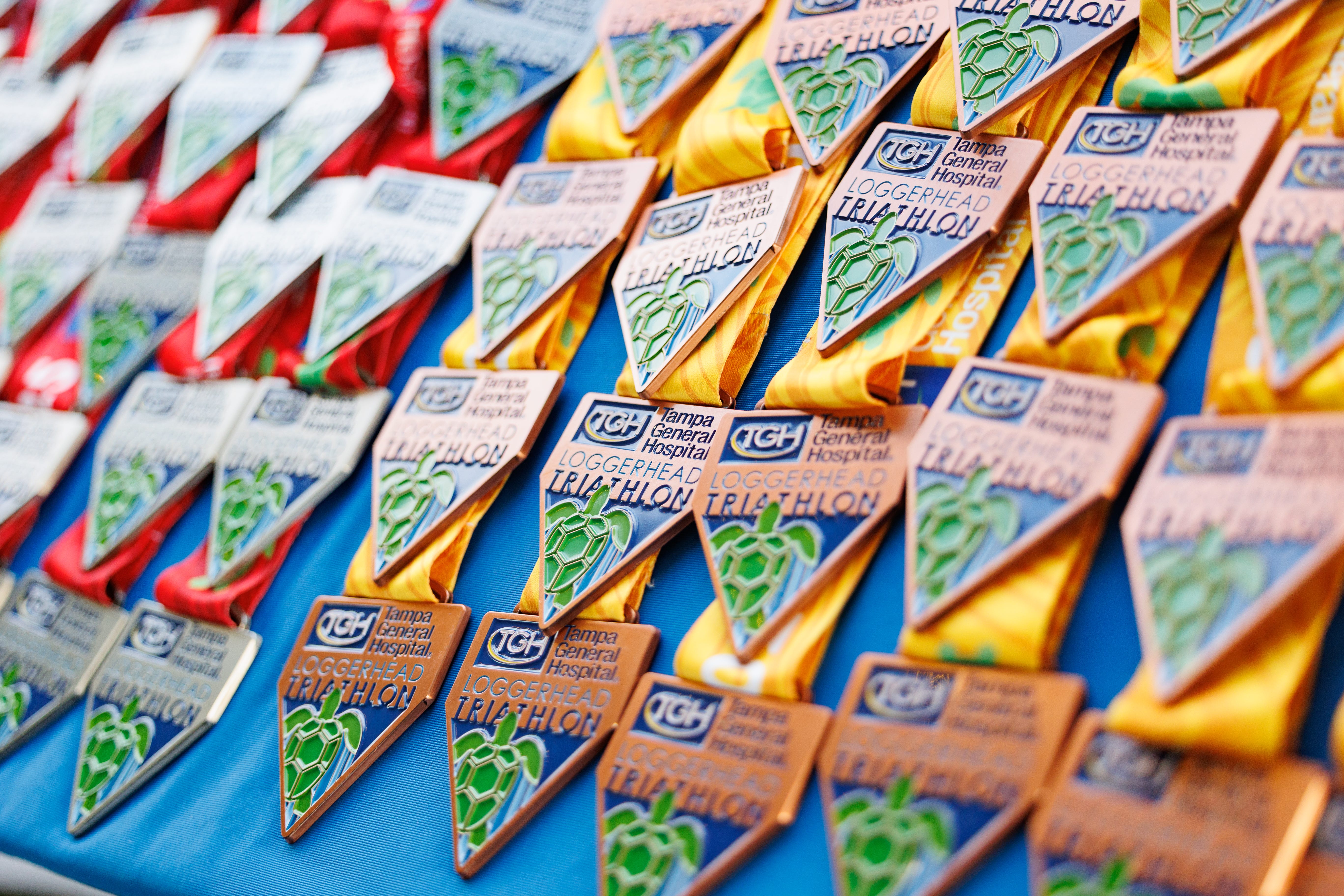
The Loggerhead sponsor structure gives the property commercial depth. Tampa General Hospital holds the presenting position, while the Solid Waste Authority of Palm Beach County and Simmons & White occupy title-level inventory. Official partners span media, food, professional services and endurance-sport categories, with Guanabanas serving as the packet-pickup host.
That architecture creates saleable moments across registration, athlete communication, packet pickup, transition, race-day signage, the Athlete Oasis, awards, corporate teams and post-event content. Village Yoga and Furry Friends were also identified by the organizer as local partners.
One of the strongest documented activations occurred in 2025 through Bronco Wild Fund and the South Florida Ford Dealers. Their programme combined vehicle test drives, a race watch party and a consumer sweepstakes with coastal-cleanup activity. According to the organizer, 110 people joined a cleanup at Loggerhead Marinelife Center and removed 13.7 pounds of debris.
The triathlon also donated funds to Loggerhead Marinelife Center and Friends of Jupiter Beach and organized cleanup activity connected to both groups. This gave the sponsor product interaction, hospitality, lead-generation potential and a measurable environmental outcome tied to the race location.
Future packages could protect coastal stewardship as dedicated inventory with agreed outputs: cleanup participation, debris removed, volunteer hours, content produced and partner reach. This is the distinction between buying rights and executing meaningful sponsorship activation.
The Tourism Case Still Needs Better Measurement
The race brings athletes and families into Jupiter, while packet pickup at a waterfront restaurant extends activity beyond race morning. Visitors may spend on accommodation, dining, fuel, equipment and family travel, but participant-origin, hotel-night and visitor-spending data were not available for this analysis.
Without those figures, broad economic-impact claims would be difficult to defend. A postcode survey, hotel-partner booking code and post-race spending questionnaire would turn an assumed benefit into evidence.
That data could support tourism partnerships, improve sponsor pricing and distinguish local spending from genuinely new visitor expenditure. The same measurement discipline applies across sports-event economic-impact analysis.
Operations Protect the Property
Loggerhead carries genuine delivery risk. The ocean swim depends on conditions, the A1A bike route requires traffic management, and the transition area, finish line and course rely on volunteers. Athletes must also follow restrictions connected to sea-turtle nesting before entering the beach.
Those constraints increase operating pressure but reinforce authenticity. Loggerhead is a coastal race shaped by Jupiter rather than a generic course transported from one municipality to another, and operational competence protects athlete trust, public permission and sponsor renewal.
Commercial Verdict
Loggerhead is best understood as a mature local sports property with three connected assets: a heritage participation product, a tiered sponsor platform and a credible coastal-stewardship story.
Its next commercial gain is unlikely to come from adding another logo tier. It will come from proving participant origin, repeat-entry conversion, sponsor activation and local spending. Better evidence would give the Chamber a stronger basis for renewal discussions, tourism partnerships and inventory pricing.
Loggerhead Triathlon Business FAQ
How does the Loggerhead Triathlon make money?
The race can generate income through individual and relay registrations, duathlon and AquaBike entries, corporate teams, sponsorship and commercial partnerships. Private revenue and operating-cost figures are not publicly available.
Who produces the Loggerhead Triathlon?
The Palm Beach North Chamber of Commerce produces the race at Carlin Park in Jupiter, Florida, United States.
Why is Loggerhead attractive to sponsors?
Sponsors can reach athletes, employers, volunteers and local residents through race-day visibility, packet pickup, corporate teams, media activity, community programmes and coastal-stewardship activation.
How many people participate in the Loggerhead Triathlon?
The organizer told The Business Behind Sports that the race averages approximately 450 participants and has historically attracted more than 600.
Does Loggerhead generate tourism spending?
The race likely creates visitor activity, but reliable participant-origin, hotel-night and spending figures were not available. Those figures would be necessary for a defensible economic-impact claim.
Recommended Readings
For the wider endurance-event revenue model, read How Endurance Races Make Money.
For practical sponsorship architecture, read How Race Organizers Build Sponsor Packages.
For more endurance events analysis, read Endurance Events.
For the difference between sponsorship rights and delivery, read What Is Sponsorship Activation?.
For another Florida triathlon case study, read Miami Man Triathlon Business Model.
Editorial Disclaimer
This is an independent analysis by The Business Behind Sports. It was not commissioned, reviewed, approved or paid for by the Loggerhead Triathlon, Palm Beach North Chamber of Commerce, Tampa General Hospital, any sponsor, partner or organization mentioned.
Following an editorial inquiry, the organizer supplied participation figures, community-impact information and access to event photographs. No financial compensation, free entry, products, services or other benefits were received.
The analysis is based on public race information and information supplied directly by the organizer. Private sponsorship contracts, rights fees, registration revenue, operating costs, charitable donation amounts, participant-origin data, hotel-night figures, audience valuations and verified sponsor-return data were not available.
The conclusions should not be interpreted as an audited financial assessment, formal sponsorship valuation or verified economic-impact study.
The Business Behind Sports provides independent event analysis, sponsor-package reviews and short sponsor briefs for event owners, sponsors, tourism boards and regional partners. Contact us to strengthen inventory, activation and measurable commercial value.