How Florida Youth Soccer Tournaments Make Money
In Florida, USA, youth soccer tournaments use entry fees, stay-to-play rules and recruitment positioning while publicly supported fields absorb the capacity burden.

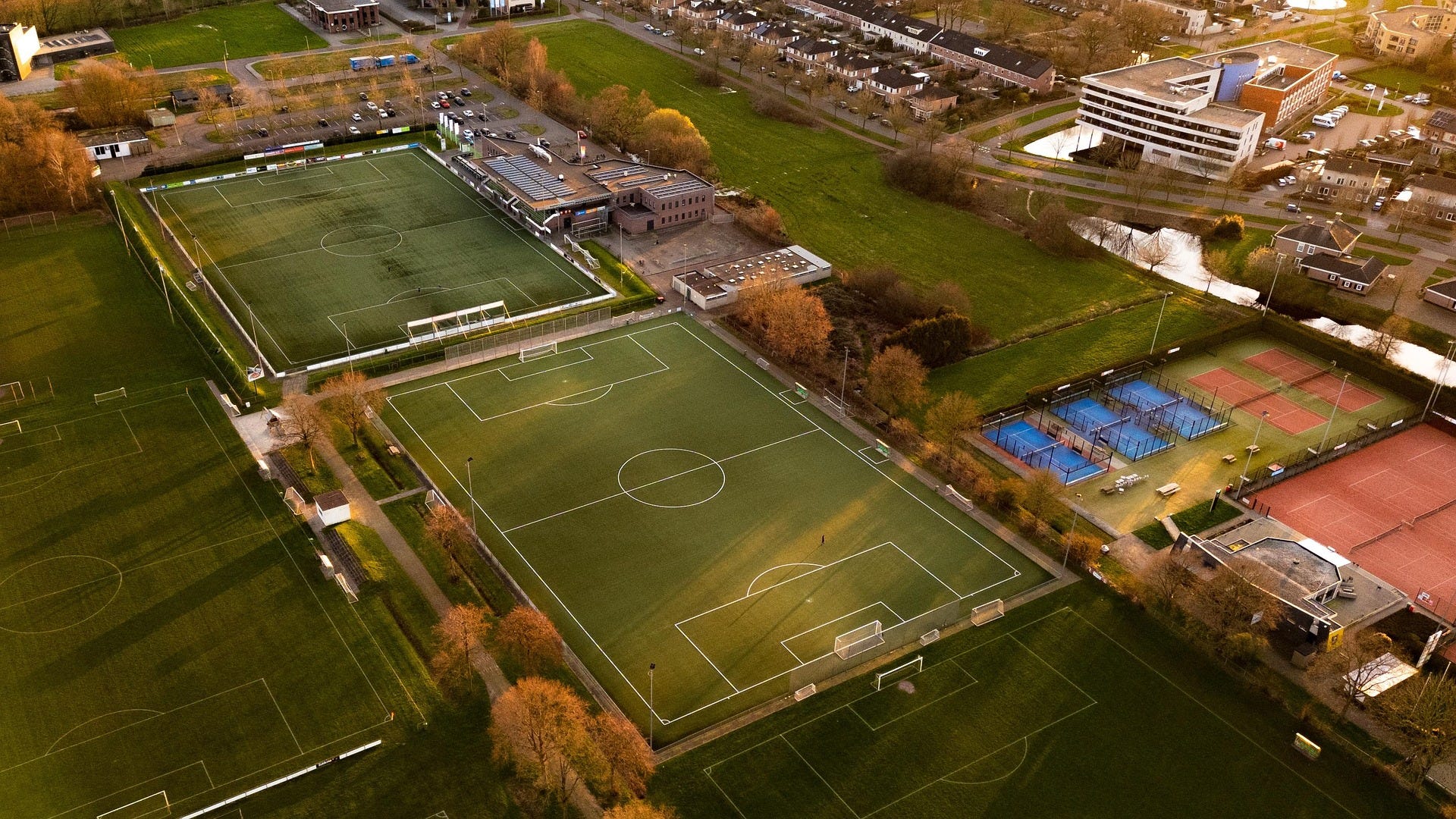
Florida youth soccer tournaments convert team entry fees into a wider transaction involving hotels, publicly supported fields, referees, recruitment services and destination agencies. The organizer controls registration revenue. Accommodation providers capture most room income, while facilities and tourism agencies must justify their participation through incremental stays, operating contribution and measurable visitor spending.
Florida’s climate and tourism infrastructure support the model, but neither proves profitability. This article serves as the commercial pillar for The Business Behind Sports’ USA Sports Business coverage of Florida youth soccer.
Entry Fees Control the Revenue Base
Registration is the clearest organizer revenue line. The 2026 Weston Cup & Showcase listed fees from $925 for U9–U10 teams to $1,125 for U15 and older divisions. The Easter International Cup currently lists boys’ entry fees from $795 to $1,495.
Large fields can push gross registration toward seven figures, but the invoice total isn’t margin. Fields, referees, sanctioning, insurance and staffing absorb part of the revenue before technology, medical coverage or weather exposure are considered.
The economics become more visible in our analysis of the Weston Cup business model, where published pricing placed theoretical gross registration near $1 million before costs. Profitability depends on collection, division mix and delivery efficiency—not the headline team count.
Stay-to-Play Controls Room-Night Inventory
The Weston Cup requires teams located more than 100 miles from its tournament sites to use official room blocks. Families can’t book through loyalty programmes, independent platforms or alternative discounted rates. ECNL Florida also tells clubs not to reserve accommodation outside its designated booking process.
Stay-to-play turns hotel compliance into part of event participation. It gives organizers and destinations greater control over reported lodging demand and may support commissions, rebates or housing fees. Those transactions depend on private contracts and shouldn’t be assumed.
The trade-off falls on travelling families. Restricted channels can concentrate pricing, location and cancellation exposure. A housing system is commercially defensible only when rates remain competitive and venue assignments are reliable.
Recruitment Expands the Product
Older divisions package competition with the possibility of college observation. Weston Cup promoted more than 250 U15–U19 teams and invited college coaches to register. Easter International Cup advertises livestreamed older-age matches and more than 500 coach invitations.
No disclosed standalone recruitment fee appears in the public pricing reviewed. The showcase proposition therefore strengthens demand and creates media or sponsor inventory rather than operating as a separate verified revenue line. Coach attendance and player outcomes still require measurement.
Facilities Absorb Capacity and Cost
Weston Cup reported more than 1,200 teams across nine facilities and over 60 fields in 2025. Easter International Cup promotes more than 400 teams across 30 fields.
That volume can improve utilization at publicly supported venues such as Paradise Coast Sports Complex and Publix Sports Park. Hosting volume isn’t the final test. The public case depends on rental contribution, incremental room nights, maintenance costs and whether tournament bookings displace community access.
Sponsor Inventory Needs a Conversion Case
Youth tournaments can package field rights, digital schedules, livestream placement, vendor access and participant communications. Families remain inside the event environment for several days, which gives a sponsor repeated contact rather than a single impression.
Reach alone doesn’t establish price. A buyer still needs audience segmentation, category exclusivity, activation rights and post-event reporting. Without those elements, the package is a collection of visibility assets rather than a measurable customer-acquisition platform.
The same discipline applies across the wider mechanics of sports sponsorship.
Public Funding Needs Post-Event Proof
Florida sports commissions and tourism agencies use grants to acquire events expected to produce out-of-state visitation. The Florida Sports Foundation said 13 granted events scheduled through June 2026 were forecast collectively to bring more than 226,000 out-of-state visitors and $418 million in economic impact. Funding came from sales of Florida professional-sports licence plates.
Those are acquisition forecasts across several sports, not verified youth-soccer returns. The commercial test comes after delivery: room nights, visitor origin, public cost and incremental spending must be reconciled through post-event reporting. Without that evidence, an impact projection remains a bid assumption.
That distinction is central to how sports events measure economic impact.
The Business Lesson
Florida youth soccer tournaments begin with entry fees, but registration is only one part of the transaction. Hotels control accommodation revenue. Public facilities absorb capital and operating exposure. Organizers carry delivery risk.
The model is commercially defensible when those interests remain aligned and independently measured. Large team counts don’t answer that question.
Florida Youth Soccer Tournament Business FAQ
How do Florida youth soccer tournaments make money?
Organizer income normally begins with team registration. Additional revenue may come from sponsorship, vendors, merchandise, streaming, commercial services or contractual hotel arrangements.
Are team registration fees pure profit?
No. Registration revenue must fund fields, referees, insurance, sanctioning, medical support, staffing and event administration. Weather disruption and withdrawals can reduce the final margin.
What is a stay-to-play soccer tournament?
Stay-to-play requires eligible travelling teams to reserve accommodation through approved hotels or a designated housing provider as a condition of participation.
Do tournaments earn money from hotel bookings?
Possibly, but not automatically. Commissions, rebates and housing fees depend on private contracts. Hotel spending primarily belongs to accommodation providers unless another arrangement is disclosed.
Why do destinations support youth soccer tournaments?
Travelling teams can create incremental room nights and visitor spending. Destinations may provide grants, marketing support or publicly funded fields to acquire that demand.
How do soccer showcases create commercial value?
Showcases strengthen registration demand by adding the possibility of college observation. They can also create streaming, media and sponsorship inventory, although recruitment outcomes must be measured.
Why are Florida sports complexes important?
Large tournaments need concentrated field capacity, parking and event services. Publicly supported complexes allow organizers to expand, but their return must be assessed against operating costs and community access.
What makes youth soccer sponsorship valuable?
Value depends on more than visibility. A sponsor needs a defined audience, useful activation rights and a measurable outcome tied to customer acquisition, engagement or service delivery.
Is economic impact the same as tournament revenue?
No. Tournament revenue belongs to the organizer. Economic impact estimates wider activity across hotels, restaurants and other destination businesses.
What are the main commercial risks?
Major risks include weather, field access, hotel pricing, safeguarding, referee supply, medical incidents and weak post-event measurement.
Recommended Readings
Read How Weston Cup Turns 1,000 Teams Into Tourism for the first event case study in this series.
Read Can Paradise Coast Sports Complex Justify $114M? for the public-facility economics behind major Florida tournaments.
Read How Publix Sports Park Fills Panama City Beach’s Off-Season for another Florida tournament-facility model.
Explore more American sports-property analysis through USA Sports Business.
For the broader revenue framework, read How Major Sporting Events Make Money.
For destination strategy, read How Tourism Boards Use Sports Events.
Editorial Disclaimer
This is an independent analysis by The Business Behind Sports. It was not commissioned, reviewed or paid for by the Florida Sports Foundation, Weston FC, Weston Cup & Showcase, Premier Soccer Services, ECNL, any facility or any destination mentioned.
The analysis is based on publicly available tournament information, registration pricing, hotel policies, facility material, grant announcements and destination reporting. Private tournament budgets, sponsorship contracts, housing commissions, hotel rebates, vendor agreements, staffing costs, organizer margins and raw economic-impact data were not available.
Published entry fees, team totals, visitor projections and economic-impact estimates should not be interpreted as organizer profit, independently audited financial results or event valuation.
For tournament operators, clubs, facilities, sponsors and destination partners: The Business Behind Sports produces independent sponsor-value audits, tourism assessments and commercial briefs for sports properties. Contact The Business Behind Sports to discuss a confidential review.