Ocala International Supports a Public Horse Park
At Florida Horse Park in Ocala, Florida, USA, international eventing generates participant revenue, sponsor inventory and media value for a nonprofit venue on state-owned land.

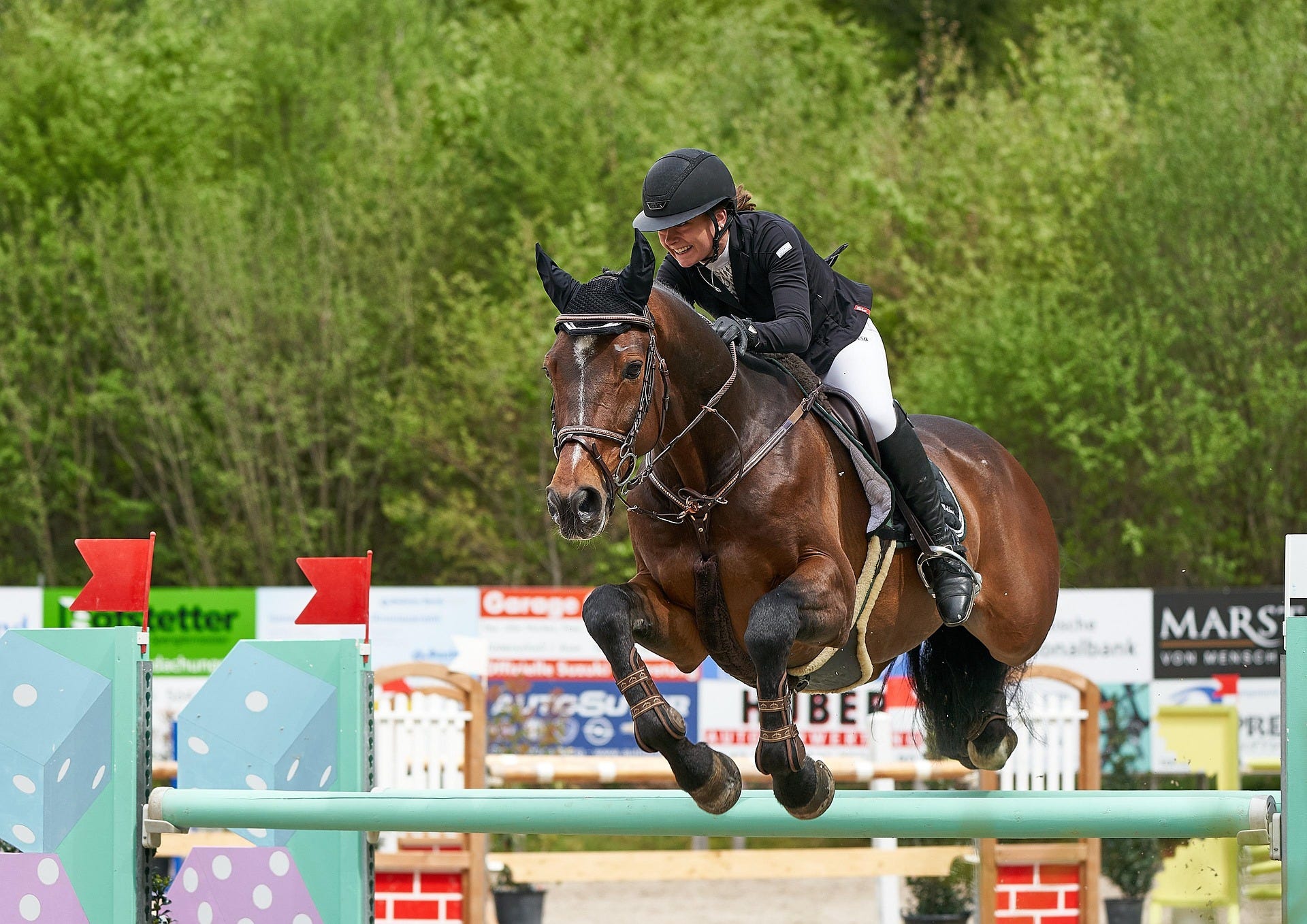
The Ocala International Festival of Eventing business model uses international competition to sell entries, stabling, shavings, camping, sponsorship and related services at Florida Horse Park in Ocala, Florida, USA. Its larger commercial role is utilization: a four-day event brings high-level demand and media relevance to specialist arenas, barns and cross-country infrastructure that must be funded and maintained throughout the year.
This gives Ocala International a distinct place within Florida’s equestrian events economy. The Event at TerraNova supports a privately developed destination, while HITS Ocala monetizes repeated winter participation. Florida Horse Park operates as a nonprofit on state-owned land, so commercial performance must also support a broader public-purpose venue.
Entry Fees Support a Costly Sporting Product
The 2026 edition ran from April 16–19 with FEI divisions from CCI1*-L through CCI4*-S and national competition from Advanced through Novice. Official entry fees ranged from $500 for CCI1*-L to $750 for CCI4*-S. National entries ranged from $235 at Novice to $300 at Advanced, with a $25 non-refundable office fee included.
Those payments buy access to dressage, cross-country and show jumping delivered under USEA, USEF and FEI requirements. Officials, course design, veterinary cover, timing, safety systems, footing preparation and sanctioning create substantial costs before the first horse starts. Higher divisions improve status and media relevance; lower levels broaden the paying participant base.
Stabling Deepens the Participant Transaction
Long-format FEI horses were required to stable on site in 2026. Duration stabling cost $250, horse-trial stalls were $70 per night, non-stabled horses paid a $30 ship-in fee, and powered camping was listed at $50 per night. Shavings created another transaction around the entered horse.
This controlled inventory matters because eventing participation extends beyond the entry fee. Riders, owners and grooms may remain on site for several days, while each horse requires space, utilities, bedding, security and welfare systems.
The exposure is operational. Barn condition, drainage, biosecurity, footing and customer service influence whether competitors return. A weak delivery week can damage revenue across the wider Ocala Eventing Series.
Prize Money Supports Status but Adds Cost
The 2026 awards schedule allocated $2,500 to CCI4*-S, $10,000 to CCI3*-L, $5,000 to CCI2*-L and $2,500 to each of two CCI1*-L sections.
Prize money can improve field quality and strengthen sponsor inventory, but it is expenditure before it produces commercial value. The CCI4*-S also served as a qualifier for the US Equestrian Open of Eventing, whose 2026 final carried a $200,000 purse. That association increased sporting relevance without establishing event-level profitability.
Sponsors Can Own Measurable Competition Assets
Florida Horse Park’s sponsorship page links to a detailed 2022 brochure offering arena and cross-country jump branding, programme advertising, public-address mentions, vendor space, VIP access, livestream commercials, awards presentations and presented-by rights. Because the brochure is historical, its package prices should not be treated as current.
The inventory remains commercially useful. An equine supplier can integrate products into competition delivery. A bank, builder or regional service company can combine signage with hospitality and community positioning. Horse & Country streamed the 2026 event, creating off-site exposure alongside the on-ground audience.
The buyer test is measurement. A sponsor needs evidence of livestream reach, hospitality use, participant engagement, lead generation and renewal—not merely a logo beside a cross-country obstacle. That distinction sits at the centre of sports sponsorship inventory.
Nonprofit Governance Changes the Return Test
The Florida Agriculture Center and Horse Park Authority describes itself as a 501(c)(3) charitable organization and a Direct Support Organization under the Florida Department of Agriculture and Consumer Services. The park occupies 500 acres owned by the State of Florida, while its staff are not state employees.
This structure does not remove commercial discipline. Entry conversion, stall occupancy, sponsor renewal and calendar density still determine whether the facility can carry its operating burden. It does broaden the return test to include agriculture, education, recreation and access for multiple equestrian and non-equestrian users.
The park states that grants must be applied for annually and fund approved capital or infrastructure projects rather than recurring operating income. Public support has helped provide arenas, barns, roads, power and irrigation, but the event calendar must keep those assets productive.
Calendar Density Spreads Infrastructure Cost
Ocala International sat at the top of a six-event 2026 horse-trials calendar that also included winter, summer and fall competitions. Florida Horse Park hosts schooling shows and other equestrian and non-equestrian events as well.
One international event cannot carry the cost of 500 acres, permanent barns, arenas and cross-country infrastructure. Repeated bookings spread maintenance and staffing across more paid days while creating additional participant, vendor and sponsor inventory.
Ocala International’s strongest commercial contribution is not one four-star result. It supplies high-level demand, media exposure and sponsor assets to a nonprofit venue whose larger obligation is sustained public-purpose use.
Ocala International Festival of Eventing FAQ
What is the Ocala International Festival of Eventing?
The Ocala International Festival of Eventing is an international three-day eventing competition held at Florida Horse Park in Ocala, Florida. Horses and riders compete in dressage, cross-country and show jumping across FEI and national divisions.
How does Ocala International generate revenue?
Publicly visible revenue channels include entry fees, stabling, ship-in charges, shavings, powered and primitive camping, sponsorship, vendors and related competition services. A complete event-level revenue breakdown is not publicly available.
Who operates Florida Horse Park?
The Florida Agriculture Center and Horse Park Authority operates the facility as a 501(c)(3) charitable organization and Direct Support Organization under the Florida Department of Agriculture and Consumer Services.
Is Florida Horse Park owned by the State of Florida?
Florida Horse Park states that it occupies 500 acres owned by the State of Florida. The organization’s employees are not state employees.
Does the event receive public funding?
Florida Horse Park states that it applies for grants used for approved capital and infrastructure projects. Public information does not disclose how much grant support is attributable specifically to Ocala International.
Why is stabling commercially important?
Stabling converts competition participation into paid physical inventory. Competitors may also purchase shavings, camping and other services during a multi-day stay.
How is Ocala International different from The Event at TerraNova?
Ocala International operates within a nonprofit, public-purpose facility on state-owned land. TerraNova operates within a privately developed equestrian venue connected to a wider residential destination.
Recommended Readings
How Florida Equestrian Events Make Money
How The Event at TerraNova Turns Eventing Into Venue Demand
How HITS Ocala Sells a Winter Season, Not a Weekend
How World Equestrian Center–Ocala Builds a Resort Economy Around Horse Shows
What Is Sports Sponsorship Inventory?
Editorial Disclaimer
This article is an independent analysis based on publicly available information from Florida Horse Park, the United States Eventing Association, official competition listings, sponsorship materials, streaming information and public governance disclosures.
The Business Behind Sports has not been paid or compensated by Florida Horse Park, the Florida Agriculture Center and Horse Park Authority, any government body, organizer, sponsor, media company, vendor or other party mentioned in this article.
Private entry revenue, stall occupancy, sponsorship contracts, vendor income, operating costs, grant amounts, public funding allocations, attendance data and event-level profitability were not publicly available. Historical sponsorship materials have not been treated as current pricing.
For sponsor-package reviews, event business analysis or short sponsor briefs, contact The Business Behind Sports.